BLOG 1-Physical Self

Love Yourself
Self-love is a feeling of admiration for oneself that develops as a result of actions that promote our physical, psychological, and spiritual development. Self-love is described as having a high regard for one’s own happiness and well-being. Self-love entails seeing to your own desires rather than putting others’ needs ahead of your own. Self-love entails refusing to accept anything other than what you want.

Physical Self
“If you can learn to love yourself and all the flaws, you can love other people so much better. And that makes you so happy.” – Kristen Chenowith
Why is it so difficult to love ourselves? Basically, the short answer to this question is that we were raised in a society that didn’t teach us about self-love. This may not seem very important to some, but self-love is one of the best things you can do for yourself.
Loving yourself provides you with self-confidence, self-worth, and in general, you feel more positive. If you can learn to love yourself, you will feel happier and will learn to take better care of yourself.
Looking in the mirror, most of us see a lot of different flaws and remember too many past experiences and failings to love ourselves. The less you love yourself, listen to yourself, and understand yourself, the more confused, upset, and frustrated you will be in life. When you begin to love yourself and continue to love yourself more and more each day, things slowly will be a little bit better in every way possible.
Unfortunately, self-love isn’t always easy.
Accepting the pain and allowing yourself to be honest with who you are is a big step to loving yourself. Forgive yourself for past actions and things you are ashamed of doing.
Carrying a lot of negative emotions like jealousy, disgust, and rage can have a negative impact. We need to learn how to accept not only the emotions that create love, joy, and happiness but also the ones that cause fear, insecurity, and anger in our lives.
While we need to learn how to acknowledge and accept the pain with the love, another step is reconciling with a cold and unopened heart. Asking yourself if you fully love yourself can be very difficult because you must accept your flaws and faults.
Love is something we choose, the same way we choose anger, hate, or sadness. We have the power to forgive someone who has hurt us in the past. We can learn to finally heal from something when we can forgive. We can always choose love.
Learning to love yourself leads to better self-care. Examples of this could be taking a break from time to time and accepting that no one is perfect and things happen. https://www.youtube.com/watch?v=s6779PxqkCo
Blog 2-Physical Self
Physical Self-Implications
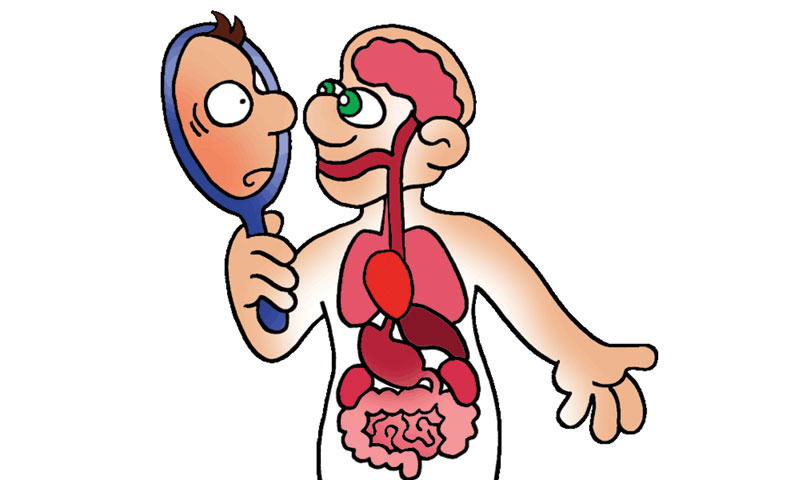
You could have had some tough early life experiences whether you were born with a noticeable difference or developed it early in life. This may mean getting mocked or bullied, spending extended stretches of time in the hospital, being unable to play with others, or being unable to do things that others around you were able to do. If others make critical remarks about your looks, you may have developed a negative attitude about your appearance. As a result, your self-esteem could have been harmed early on, finding it impossible to find good qualities in other facets of yourself and resulting in a general loss of self-confidence.
Learning shapes one’s self-image. Our self-image is heavily influenced by early childhood experiences such as parents and caregivers. They are mirrors that project a picture of ourselves back to us. Our interactions with others, such as students, colleagues, and relatives, contribute to our mirror image. What we think and feel for ourselves is reinforced by our relationships. The reflection we see in the mirror can be a true reflection of who we are or a warped reflection of who we are. We either create a positive or negative self-image based on this perspective. Our adopted talents and shortcomings have an impact on how we behave today. We constantly gather data and assess ourselves in a variety of ways, including personal appearance (How do I look? ), success (How am I doing? ), and relationships.
The reflection we see in the mirror can be a true reflection of who we are or a warped reflection of who we are. We either create a positive or negative self-image based on this perspective. Our adopted talents and shortcomings have an impact on how we behave today. We constantly gather data and assess ourselves in a variety of ways, including personal appearance (How do I look? ), success (How am I doing? ), and relationships.We accept and own our strengths and potentials while being honest about our liabilities and shortcomings when we have a good self-image. We dwell on our flaws and shortcomings when we have a poor self-image, distorting disappointment and imperfections.The way we think of ourselves has an impact on how we feel about ourselves, as well as how we communicate with others and the world around us. Our physical, physiological, educational, cognitive, and spiritual well-being will all benefit from having a good self-image. A negative self-image, on the other hand, will reduce our happiness and capacity to cope in these areas.https://www.youtube.com/watch?v=s6779PxqkCo

